
Launch a Blog, Changelog, and Help Center in 60 seconds - No code, no headaches. Plug-and-play blogging platform. Built-in notion editor. SEO optimized templates.

BlogBowl is an open-source, self-hosted blogging platform designed for blogs, product changelogs, and help documentation.
- 🕐 Launch a full-featured blog or help center in minutes
- ⚡ Prebuilt templates that are SEO-optimized and lightning fast
- ✍️ Write with a clean, Notion-like editor
- 💌 Built-in newsletter support with Postmark integration
- 🌍 Bring your own custom domain or use reverse proxy for subfolder setup
- 👥 Collect subscribers
- 📩 Manage and send newsletters
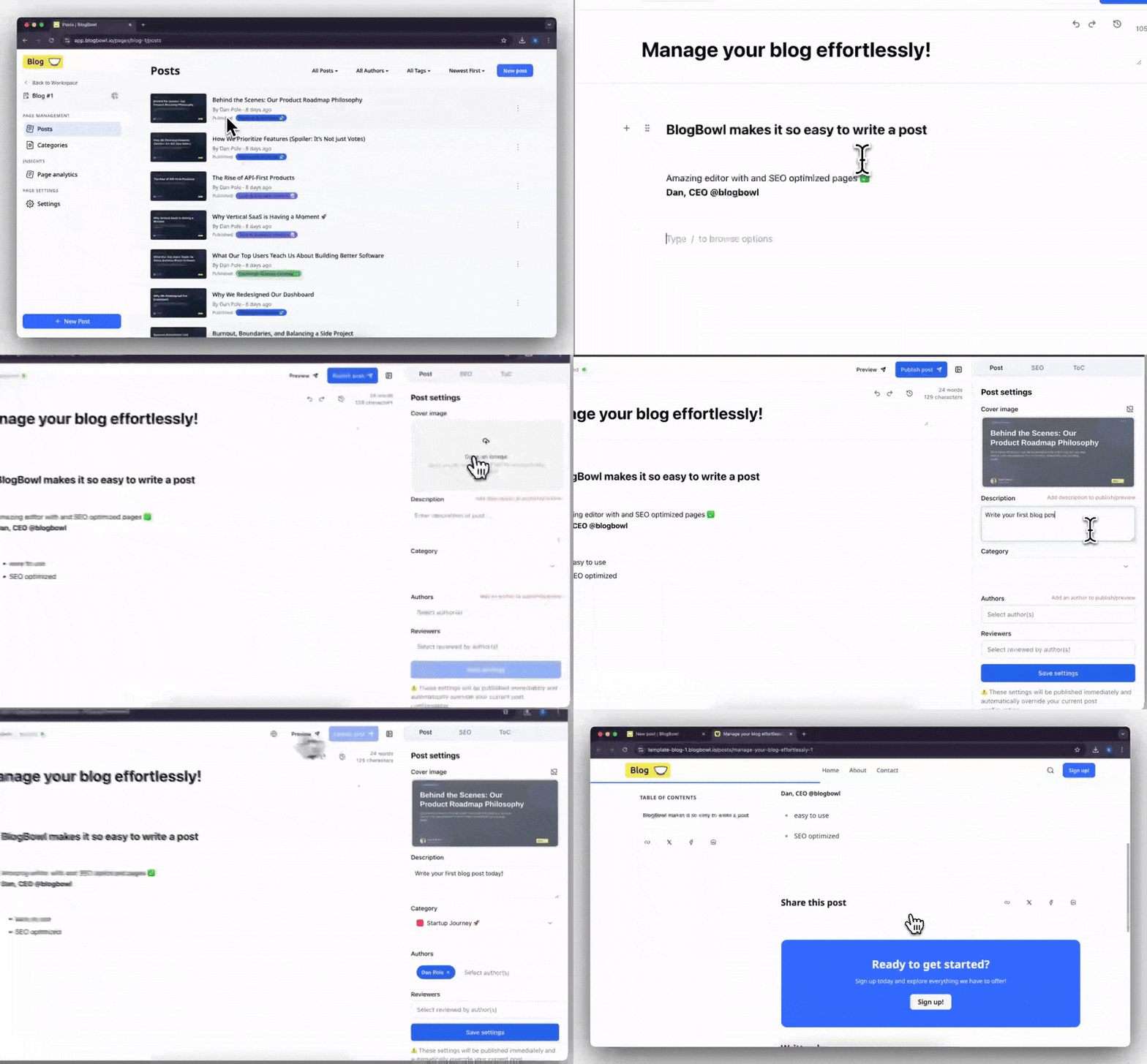
- Create .env file and paste content from
.env.example. - Adjust the values in
.envto your setup. - To start BlogBowl with postgres and redis run:
docker compose up -d
- Open your browser and visit:
http://localhost:3000
When the server starts for the first time, the database is automatically seeded with a default admin user.
| Field | Value |
|---|---|
admin@example.com |
|
| Password | changeme |
👉 After your first login, make sure to update the default credentials for security.
Newsletter support is optional - you can enable it if you want to send updates to your readers.
BlogBowl uses Postmark for email delivery. Postmark offers up to 100 free emails per month, perfect for testing.
To enable it:
- Create a free Postmark account.
- Set these environment variables in your .env:
 POSTMARK_ACCOUNT_TOKEN=your-postmark-account-token
 POSTMARK_X_API_KEY=your-random-webhook-secret
- Ruby on Rails
- PostgreSQL (database)
- Redis (cache)
- Sidekiq - background jobs
- Postmark (email delivery)
BlogBowl is open-source under the MIT License.
Built with ❤️ by creators, for creators.