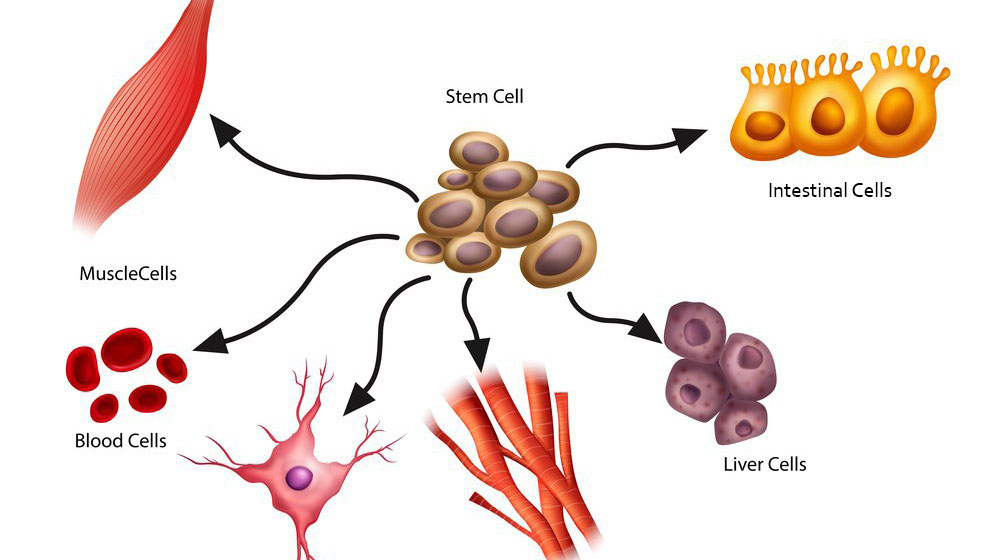
The discovery of embryonic stem cells (ESCs) offered the potential for regenerative therapies but faced ethical concerns and the risk of immune rejection. In 2006, Shinya Yamanaka developed induced pluripotent stem cells (iPSCs), solving ethical issues and reducing immune rejection risks by reprogramming adult cells. However, iPSCs introduced challenges like inefficiencies, genetic abnormalities, and tumorigenesis risks.
The paper Evaluating Cell Processes, Quality, and Biomarkers in Pluripotent Stem Cells Using Video Bioinformatics discusses the use of StemCellQC, a video bioinformatics tool for analyzing human pluripotent stem cell (hPSC) colonies. The software tracks 24 morphological and dynamic features from time-lapse videos of human embryonic stem cells (hESCs) over 48 hours, providing insights into growth, motility, and cell death. Healthy colonies showed robust growth and minimal cell death, while unhealthy ones displayed irregular growth and increased cell death. This real-time analysis helps assess stem cell colony viability, crucial for regenerative medicine and research.


- RNA sequences of stem cells from the European Nucleotide Archive
- Protein sequences from the Uniprot Database
