Ensuring zero-accident fleet operations in zero-visibility mining environments (fog/dust) with Adaptive Radar, CM-level GNSS, and C-V2X technology


Ensuring zero-accident fleet operations in zero-visibility mining environments (fog/dust) with Adaptive Radar, CM-level GNSS, and C-V2X technology.
Open-cast iron ore mines are extreme environments. Heavy Earth Moving Machinery (HEMM) operating on steep, uneven haul roads frequently encounter zero-visibility conditions due to dense morning fog and continuous dust clouds. Traditional optical sensors (Cameras/LiDAR) fail in these conditions, leading to fatal vehicle-to-vehicle collisions, edge-drops, and worker accidents.
FogGuard is not just a sensor; it is a reactive, V2X-enabled ecosystem designed specifically for harsh mining conditions. By fusing 77GHz 4D Imaging Radar (which easily penetrates thick fog and dust) with Centimeter-level RTK GNSS, the system provides infallible collision avoidance, dynamic safety zones, and a live digital twin for the control room.
- 🌫️ Adaptive Fog-Risk Engine: An onboard PM (Visibility) sensor dynamically calculates a real-time 'Fog Severity Index'. As visibility drops, the system automatically extends the auto-braking distance to compensate for wet/slippery terrain.
- 🛰️ Dynamic Geo-Fencing & Speed Limiting: Uses RTK GNSS to restrict HEMM speeds automatically when entering high-risk zones (e.g., steep curves, dumping edges) and prevents fatal reverse-dumping edge-drops.
- ⚖️ Anti-Rollover & Tilt Prevention: Utilizes a 3-axis IMU to monitor vehicle tilt angles on uneven mine roads, alerting drivers instantly before a rollover occurs.
- 📡 Reactive V2X Mapping (Crowdsourced Safety): If a vehicle's suspension dips abnormally in soft/sinking ground, the IMU detects it, GNSS tags the location, and C-V2X warns the entire fleet to change lanes instantly.
- 👷 UWB Worker Safety Tags: Ground workers wear UWB haptic tags that vibrate intensely when a heavy vehicle approaches, ensuring safety even in high-noise zones (drilling/blasting) and radar blind spots.
To ensure 100% reliability in harsh open-cast environments, the system utilizes commercial-grade components:
- Obstacle Detection:
77 GHz Automotive 4D Radar(150-300m range, unaffected by fog/dust). - Precision Positioning:
u-blox ZED-F9P RTK GNSS(Centimeter-level accuracy). - Communication:
C-V2X / Industrial Gateway(Ultra-low latency, decentralized V2V data sharing). - Environment Sensing:
Sensirion SPS30-class PM Sensor(Fog & Dust density). - Edge Processing:
Automotive-Grade MCU (AEC-Q100)(High heat and vibration tolerance). - Worker Tracking:
Ultra-Wideband (UWB) Anchor Network & Wearables.
We engineered FogGuard anticipating the harshest mining realities:
- Dust Immunity: All processing units and sensors are housed in IP69K Ruggedized Enclosures. Radar radomes are equipped with pneumatic air-jets (tapped from the truck's compressor) to prevent mud accumulation.
- GPS-Denied Zones (Deep Pits): If RTK GNSS signal drops due to steep pit walls (multipath/drift), the system seamlessly switches to Dead Reckoning via High-Grade INS (Inertial Navigation System) to maintain positional awareness.
- UWB NLoS (Non-Line-of-Sight): A self-healing mesh topology ensures that if an anchor is physically damaged by a rockfall, data routes through adjacent active nodes.
All telemetry data (Brake events, Fog Index, GNSS coordinates, Road Heatmaps) is transmitted to the control room, creating a live 3D Digital Twin of the mining operation for the fleet manager.
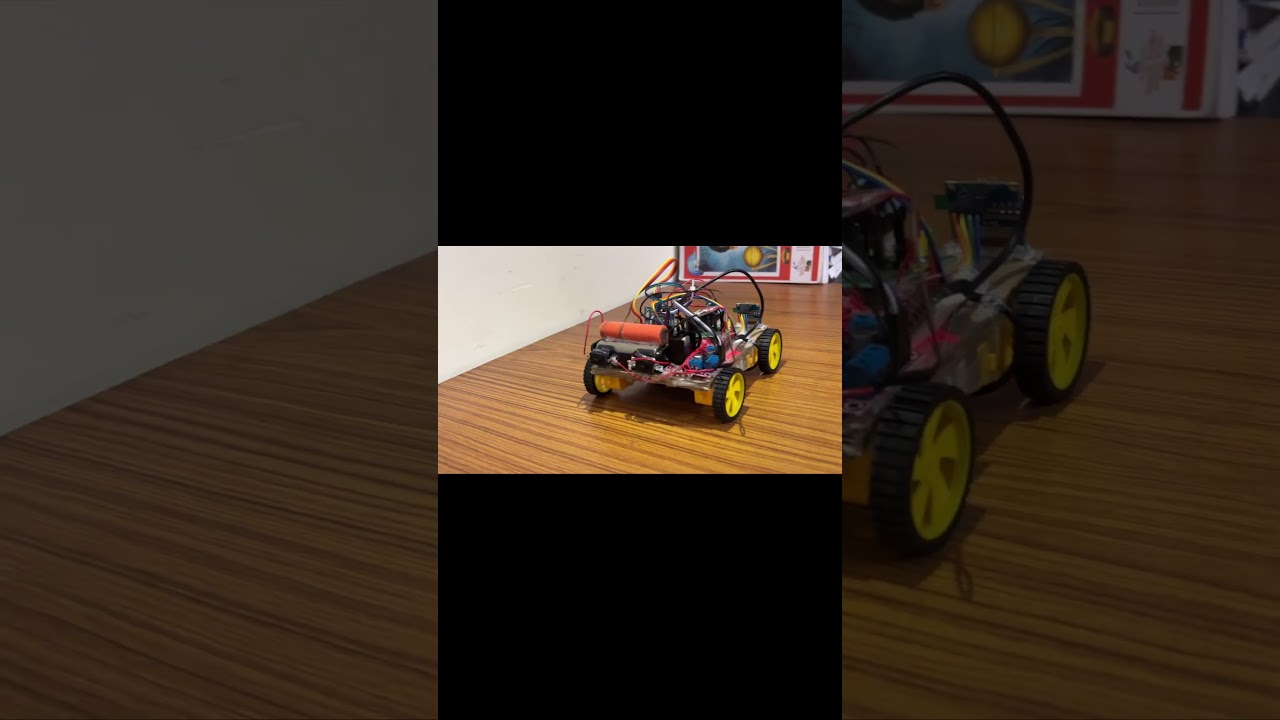
(Note: This section contains instructions for reproducing the ESP32/Arduino prototype built for the hackathon pitch.)
- Clone the repository:
git clone https://github.com/aditya-esys/FogGuard-MineSafety.git - Install necessary libraries in Arduino IDE (e.g.,
TinyGPS++,ESP32-CAN,Adafruit_Sensor). - Connect the Dev-Board as per the
circuit_diagram.pdfin the/docsfolder. - Upload
main_v2x_node.inoto the primary vehicle unit.
Built with ⚙️ for Smart India Hackathon