Bridging the evidence–practice gap in cardiovascular care using Retrieval-Augmented Generation and Multi-Agent System (MAS).
Cardiovascular diseases (CVDs) are the leading cause of death globally. An estimated 19.8 million people died from CVDs in 2022, representing approximately 32% of all global deaths. WHO

Over the past decades, major professional bodies—such as the American College of Cardiology/American Heart Association (ACC/AHA), the European Society of Cardiology (ESC), and the World Health Organization (WHO)—have published comprehensive guidelines that define optimal diagnostic, therapeutic, and preventive strategies of cardiovascular diseases.
However, real-world clinical practice frequently fails to align with these guidelines. This persistent discrepancy, commonly referred to as the evidence–practice gap, results in suboptimal treatment decisions and failure to achieve recommended clinical targets for many patients with CVD. NIH
A study conducted in 5 Europe countries have identified 5 most common barriers cited by physicians in implementation of these guidelines. NIH
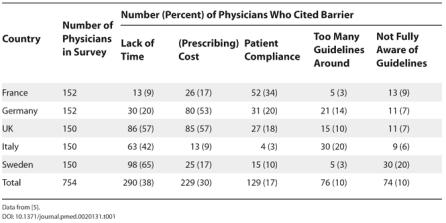
These are not purely medical problems — they are information, cognition, and coordination problems, which makes them ideal targets for AI systems.
This project addresses the evidence–practice gap by building a modular AI system that:
- Makes clinical guidelines instantly accessible
- Reduces guideline overload
- Supports clinicians under time pressure
- Improves patient adherence and follow-up
The system is designed as a Clinical Decision Support System (CDSS) — it assists clinicians, not replaces them.
This project builds a 3-layered AI ecosystem:
                   ┌─────────────────────────┐
                   │   Guideline RAG Engine  |
                   │    Evidence Retrieval   │
                   └────────────┬────────────┘
                                │
                   ┌────────────▼────────────┐
                   │   Multi-Agent System    │
                   │ Care Planning + Support │
                   └────────────┬────────────┘
                                │
                   ┌────────────▼────────────┐
                   │    Production System    │
                   │  (Deployment, UI, EHR)  │
                   └─────────────────────────┘
Each layer solves a different part of the real-world barrier stack.
This is an umbrella repository. The core implementations live in separate modules:
| Component | Purpose |
|---|---|
| 1. Guideline RAG System | Solves guideline overload and lack of awareness |
| 2. Multi-Agent Clinical System | Solves time pressure and patient compliance |
| 3. Production System | Makes the whole system usable in real clinical environments |
Independent Research Module
📁 ./rag-guideline-engine
A Retrieval-Augmented Generation (RAG) based CDSS that transforms static cardiovascular guidelines into a queryable clinical reasoning system.
- Clinicians cannot memorize thousands of pages of guidelines
- Searching PDFs during consultation is impractical
- Guidelines are scattered, dense, and frequently updated
It converts ESC/ACC/WHO guidelines into a structured, searchable knowledge system and generates patient-specific, evidence-grounded recommendations.
                ┌─────────────────────────────┐
                │  Patient Clinical Summary   │
                │             +               |
                |      Clinician Query        │
                └──────────────┬──────────────┘
                               │
                               ▼
                ┌─────────────────────────────┐
                │     Query Rewriting Layer   │
                │  (Medical Variant Generator)│
                └──────────────┬──────────────┘
                               │
                    Expanded Medical Queries
                               │
                               ▼
       ┌──────────────────────────────────────────────────┐
       │                Retrieval Funnel                  │
       │                                                  │
       │   ┌──────────────────┐      ┌──────────────────┐ │
       │   │   Vector Search  │      │   Graph Search   │ │
       │   │   (ChromaDB)     │      │    (Neo4j KG)    │ │
       │   │  "Similar Text"  │      │"Related Entities"│ │
       │   └─────────┬────────┘      └────────┬─────────┘ │
       │             │                        │           │
       │             └───────────┬────────────┘           │
       │                         ▼                        │
       │              Candidate Guideline Chunks          │
       └─────────────────────────┬────────────────────────┘
                                 │
                                 ▼
                  ┌─────────────────────────────┐
                  │   Context-Aware Reranker    │
                  │ (Patient-Specific Scoring)  │
                  └──────────────┬──────────────┘
                                 │
                       Top-K Evidence Snippets
                                 │
                                 ▼
                  ┌─────────────────────────────┐
                  │   Guardrailed LLM Generator │
                  │  (Evidence-Constrained CDSS)│
                  └──────────────┬──────────────┘
                                 │
                                 ▼
                  ┌─────────────────────────────┐
                  │  Guideline-Aligned Output   │
                  │  + Citations + Transparency │
                  └─────────────────────────────┘
Built on top of the RAG Engine
📁 ./multi-agent-clinical-system
Moves beyond information retrieval to care coordination and reasoning, using multiple specialized AI agents.
Even when guidelines are known:
- Clinicians lack time for deep planning
- Patients struggle with adherence
- Care is fragmented
                             ┌──────────────────────────┐
                             │   Clinician / System     │
                             │  Query + Patient Data    │
                             └────────────┬─────────────┘
                                          │
                                          ▼
                             ┌──────────────────────────┐
                             │    Orchestrator Agent    │
                             │ (Task Routing + Control) │
                             └────────────┬─────────────┘
                                          │
             ┌────────────────────────────┼────────────────────────────┐
             ▼                            ▼                            ▼
     ┌─────────────────┐        ┌──────────────────┐         ┌────────────────────┐
     │ Guideline Agent │        │ Clinical Reasoner│         │ Patient Comm Agent │
     │ (Evidence Query)│        │ (Care Planning)  │         │ (Education Output) │
     └───────┬─────────┘        └─────────┬────────┘         └─────────┬──────────┘
             │                            │                            │
             │                            ▼                            │
             │                 ┌──────────────────────┐                │
             │                 │ Medication Agent     │                │
             │                 │(Therapy Optimization)│                │
             │                 └─────────┬────────────┘                │
             │                           │                             │
             └─────────────┬─────────────┴───────────┬─────────────────┘
                           ▼                         ▼
                   ┌────────────────┐       ┌────────────────────┐
                   │ Risk Agent     │       │ Adherence Agent    │
                   │ (Risk Scoring) │       │ (Follow-up Logic)  │
                   └────────────────┘       └────────────────────┘
- Longitudinal care planning
- Medication adjustment logic
- Patient-specific lifestyle advice
- Automated follow-up suggestions
This layer tackles:
✔ Time pressure ✔ Complex decision-making ✔ Patient compliance
Turning Research into Real-World Infrastructure
📁 ./production-system
Transforms the AI system into a clinically deployable platform.
- API infrastructure
- Security & privacy design
- Logging and audit trails
- Monitoring and evaluation
- UI for clinicians
- Integration pathways (future EHR compatibility)
Most AI healthcare projects fail not because of models — they fail at deployment, safety, and usability.
This module ensures:
- Clinical transparency
- Traceability of recommendations
- Safe system behavior
| Phase | Focus |
|---|---|
| Phase 1 | Build and validate Guideline RAG Engine |
| Phase 2 | Develop Multi-Agent Clinical Layer |
| Phase 3 | Integrate agents with RAG |
| Phase 4 | Production architecture & API |
| Phase 5 | Evaluation & validation |
- This is a decision support system, not an autonomous clinician
- Recommendations are limited to available guideline evidence
- Clinical outcome improvements require real-world validation
This project demonstrates how RAG + Multi-Agent AI can be responsibly used in healthcare to:
- Reduce cognitive overload
- Improve evidence access
- Support structured clinical reasoning
- Enhance patient engagement
It targets the information and cognition bottlenecks at the heart of the evidence–practice gap.
This project contributes to:
- Medical RAG architectures
- Multi-agent clinical reasoning systems
- Faithfulness-constrained medical LLMs
- AI for evidence-based medicine
| Module | Description |
|---|---|
| Guideline RAG Engine | Evidence retrieval system |
| Multi-Agent Clinical System | Care reasoning & coordination |
| Production System | Deployment infrastructure |
All components of this system are released under the MIT License unless stated otherwise. See individual repositories for details.