Group name: Rethink Recycling
Our group is for addressing global waste management and environmental health issues with digital tools.

Alice: Alice (she/her) is a fourth year Human Biology & Society and Sociology double major. She is interested in public health and environmental justice and is looking forward to working with both academic research with web mapping in this project.
Role: Contributor

Emily: Emily (she.her) is a fourth year English/History double major and Digital Humanities minor. She is interested in the history and language behind public health and using digital tools to present information effectively.
Role: Contributor
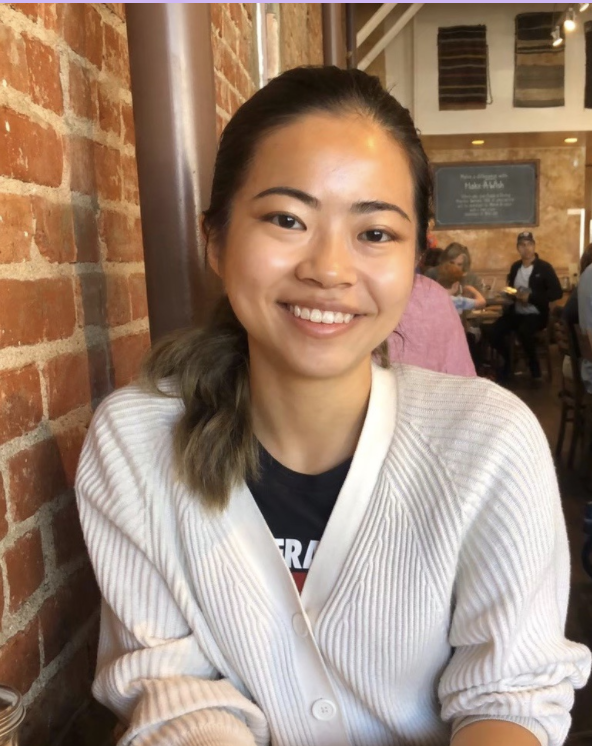
Hozumi: Hozumi(she/her) is a fourth-year Sociology major and Global Health/Digital Humanities double minor. She is interested in using digital mapping to address global public health issues.
Role: Contributor
Our project aims to understand the way plastic waste (and/or potentially other forms of waste) generated by the global north travels through a global recycling network and how this system disproportionately affects the health of people living in the global south. Imported waste and recycling is not only deleterious to the environment of the countries that manage it, but the process of recycling and the byproducts generated are also harmful to the health of individuals. Through understanding where recycling waste originates, where it goes to be recycled, and the communities involved in the recycling process, we hope to better understand how exposure to recycling operations is correlated with the health of these communities.
Web mapping can offer a layer of narrative to better understand the global, sociopolitical, and individual factors that are at play with any modern issue. In the context of recycling, mapping as a methodology of inquiry can help connect the seemingly-disparate players involved and affected globally. Mapping will allow us to produce a narrative of how waste travels in global networks and affects peoples who often are not the main producers of waste.
| Week / date | Tasks |
|---|---|
| Week 2 (04/05 - 04/11) | Proposal Due at 04/11; 11:59 PM (group assignment 1) |
| Week 3 (04/12 - 04/18) | Conduct research and literature reviews. Assess areas of focus and assign tasks for further research |
| Week 4 (04/19 - 04/25) | Storyboarding (group assignment 2) |
| Week 5 (04/26 - 05/02) | TBD |
| Week 6 (05/03 - 05/09) | Midterm presentations (group) |
| Week 7 (05/17 - 05/23) | Census (group assignment 3) |
| Week 8 (05/24 - 05/30) | TBD |
| Week 9 (05/31 - 06/06) | Time (group assignment 4) |
| Week 10 (06/07 - 06/13) | Finalize project |
| Week 11/Finals (06/14 - 06/20) | Final Presentations |
Leaflet for visualizing maps Git to coordinate code between members StoryMaps to lay out the narrative and mapping components of our project
- Waste generation by country (Data S1 from the article “Plastic waste inputs from land into the ocean”: we will manually geocode countries)
- World Development Indicators from the World Bank
- Recycling Organisations and Collection Points in Hong Kong Notable, since “Collectively, China and Hong Kong have imported 72.4 percent of global traded plastic waste (with most imports to Hong Kong eventually reaching China)” (source)
Take a stance / analyze the issue → i.e. compare rates of disease within communities that deal with the waste Compare health data vs exposure to waste
Something to consider: What kind of parameters are we considering when defining the term “recycling?” → Example: Stockholm/Sweden as a whole. Like many European countries, incineration is defined as a form of “recycling”
17 Sustainable Goals from United Nations: See goals 6, 11, 12, 13 for possibly pertinent information