[
Does culture1 have a sound? Does heritage2 have a voice? If you're not below the age of six, chances are you know these terms don't emit a "literal" sound. They can, however, influence the way sound is perceived, valued, and produced. Cultural heritage3 can shape sound into songs, spoken languages, ceremonial drumming, instrumental pieces, mourning cries, congregational worship, and so much more.
Will do! Linked below is a YouTube video I remember viewing around the time it was posted in 2016. Ever since, I've been amazed by kulning (exemplified in the video) and other traditional songs or music born from labor, oppression, spiritual praise, etc.. The ability to produce music for the most basic or complex of needs is one of my favorite traits of humankind. No matter the weight of reason, the sounds that cultural heritage produce are never meaningless.
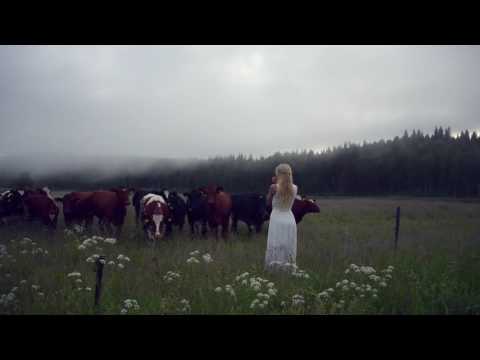
If you'd like to learn more about Kulning, read this informational article.
[
Untitled © 1999 by Jane Doe is licensed under CC BY-NC-ND 4.0


Footnotes
-
the beliefs, customs, arts, etc. of a particular social group, place, or time. Source: Merriam-Webster ↩
-
an established or customary pattern of thought, action, or behavior. Source: Merriam-Webster ↩
-
Cultural heritage refers to the legacy of physical artifacts, traditions, and practices that are passed down through generations within a community. It encompasses both tangible elements, such as monuments and artworks, and intangible aspects like folklore and rituals. Source: Unesco ↩